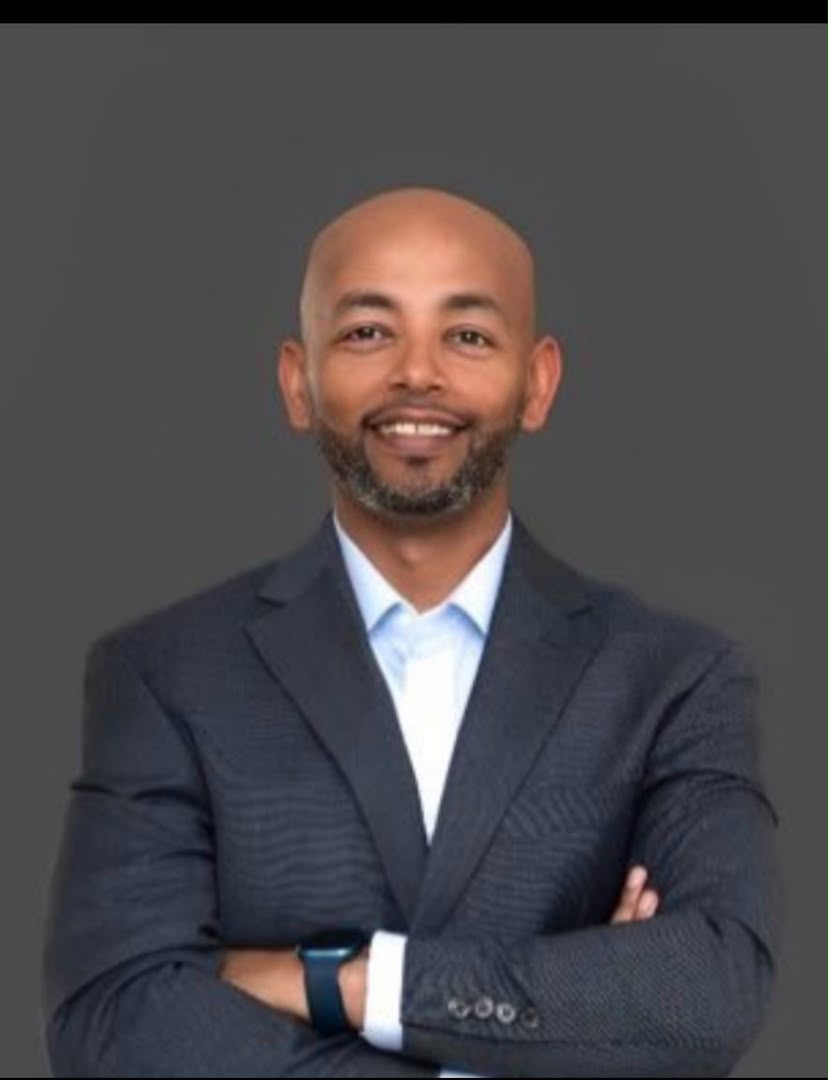
Moderator
Henok Assefa
Founder and Managing Partner, Precise
Henok leads Precise’s strategic advisory work in Ethiopia and guided the conversation on the conditions required for bank entry.
Beyond Banking Ethiopia | Webinar Recording
Watch the full Beyond Banking Ethiopia webinar, recorded on 28 October 2026.
Africa International Advisors and Precise Consult convened this discussion on Ethiopia's evolving financial sector and what foreign banks consider when assessing entry into a new market. The conversation covered financial-sector reform, the move from market interest to investment commitment, regulatory engagement, digital-banking requirements, financial inclusion and the development of Ethiopia's capital markets.
The discussion was moderated by Henok Assefa, Managing Partner at Precise Consult, with Hasnayn Ebrahim, CEO and Managing Partner at Africa International Advisors; Yodit Kassa, CEO of the Ethiopian Securities Exchange; and Rachel Freeman, Chief Growth Officer at GoTyme Bank.
Moderator
Founder and Managing Partner, Precise
Henok leads Precise’s strategic advisory work in Ethiopia and guided the conversation on the conditions required for bank entry.

Presenter
CEO and Managing Partner, Africa International Advisors
Hasnayn leads AIA’s advisory work across strategy, investment and growth, bringing a pan-African perspective to the discussion.
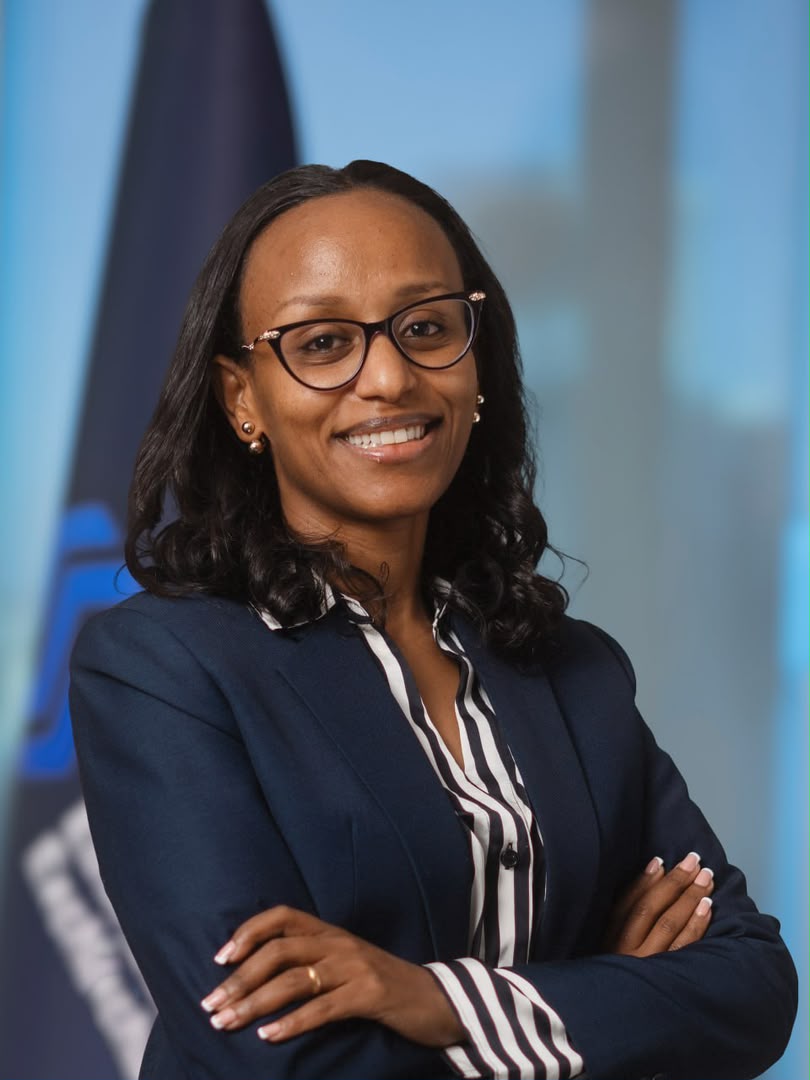
Panellist
Chief Executive Officer, Ethiopian Securities Exchange
Yodit brings a capital-markets perspective on institutional readiness, investment and the development of Ethiopia’s financial ecosystem.
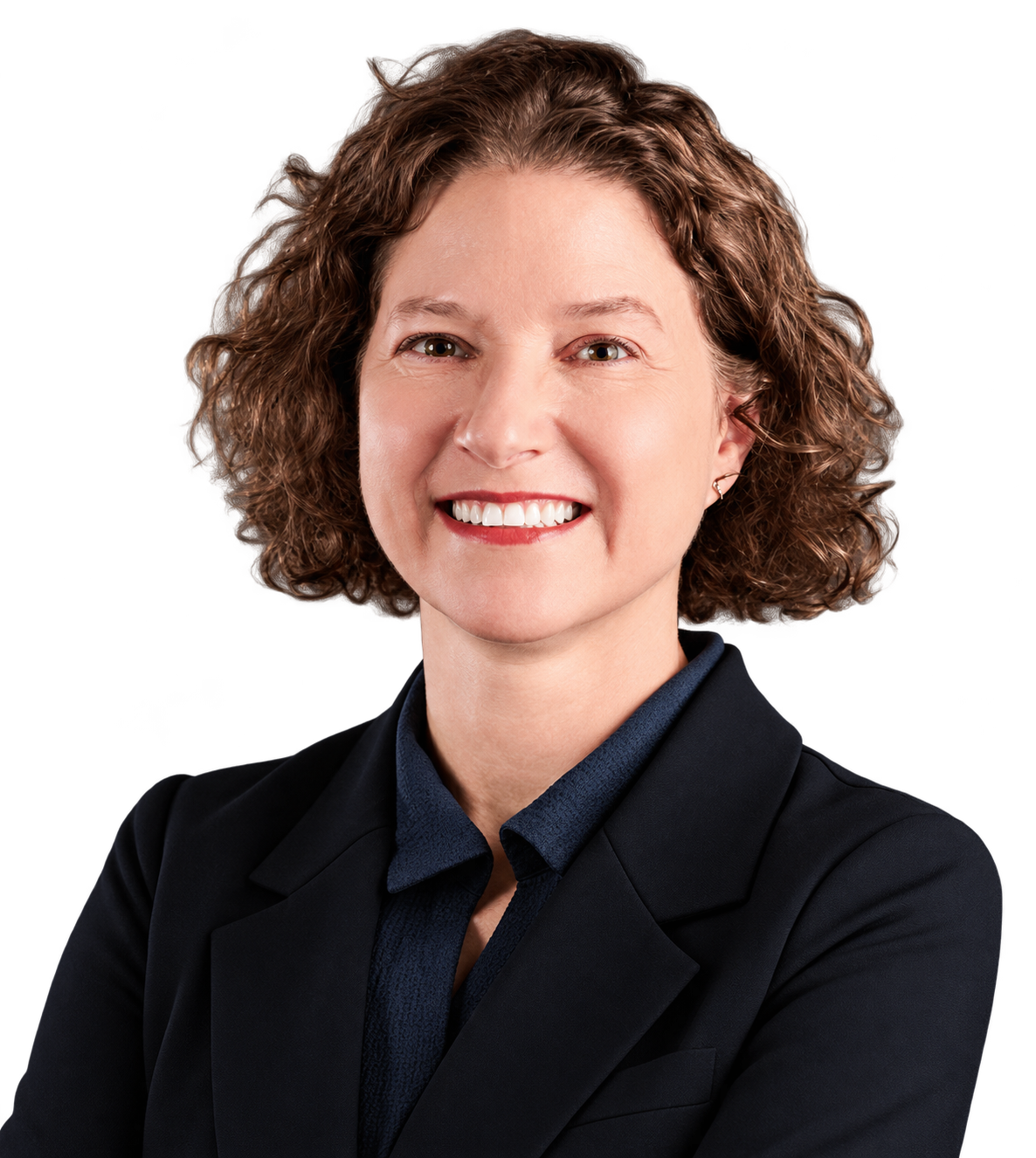
Panellist
Chief Growth Officer, GoTyme Bank
Rachel brings experience scaling digital-banking businesses and partnership-led financial inclusion across African markets.
This transcript was generated from the webinar captions. Timestamps have been removed and consecutive remarks by the same speaker have been grouped for readability. Minor transcription errors may remain.
Henok Assefa: Good morning. Can you all hear me?
Yodit Kassa: Yes, we can.
Henok Assefa: Excellent. So, I'm Henok Assefa, Managing Partner at Precise Consult. Today marks the first engagement between ourselves and our partners from South Africa, Africa International Advisors. We are partnering to support Ethiopia's emerging and opening up financial sector. After decades of banking being closed to foreign participation, New opportunities are… Opening across banking, capital markets. asset management, and the wider financial system. Over the coming months and years, we hope to partner with AIA and continue this conversation and engagement through webinars, in-person conference engagements, and social media. So, but this morning, our focus is foreign bank entry into Ethiopia. What would enable a banking group To move from showing significant interest into a credible investment decision in Ethiopia. Where we have… Her Excellency, Yodit Kassa. with us this morning. She is the recently appointed Chief Executive Officer of the Ethiopian Securities Exchange. Her Excellency, thank you for joining us. Congratulations on your appointment, and the important responsibility of developing Ethiopia's capital markets once-in-a-lifetime opportunity. We also have, Ms. Rachel Freeman, who is the Chief Growth Officer of GoTyme Bank. GoTyme Bank is one of those fascinating, innovative banks based in South Africa. It's a digital banking group operating, also in the Philippines. I also have the honor of introducing our partner, Hasnayn Ebrahim, who is the CEO and managing partner of Africa International Advisors. Advising on strategy, investment, and growth across the continent of Africa. Thank you all for joining us. I'm going to step aside now and allow Hasnayn to take us through a brief presentation. Over to you, Hasnayn.
Hasnayn Ebrahim: Fantastic. Thank you so much, Henok. Firstly, for… giving us the opportunity to partner with you on what I believe is a momentous moment in… in Ethiopia's, in Ethiopia's history. I remember quite fondly that, that, when Henok and I met, this was probably about. a year and a bit ago, it was in Addis, and… and as I went in, the talk of the moment, really, with… with… with… with most of the people that I had engaged with at the time, and… In-country was around the fact that foreign ownership now, for the first time, had… the regulations or the law had been… had been passed that allowed foreign ownership. in… into Ethiopian banks, and I think I think the… the… the importance of, of having, a financial system that is maturing, a financial, I believe there is an echo. Let me take off my headphones and… Can you all hear me?
Henok Assefa: Yes, we can, Hasnayn.
Hasnayn Ebrahim: Fantastic, fantastic. The… as I was reflecting, the importance of a robust financial sector extends beyond just the movement of money, right? Because… because money or capital in and of itself is Probably one of the key determinants of a country, of an organization, of any entity's ability to actually facilitate investment and ultimately growth. And utilizing that capital and deploying that capital in the right areas ultimately leads to benefit for all, which is the intention and the intent, I would imagine. of the reform agenda that is currently underway within the Ethiopian context. If we can just move into the presentation very quickly, I'm gonna set the scene with a few, with a few points. Firstly, in relation to where the world is heading, and the key trends that are influencing, ultimately, where capital flows. Now, as with any resource, it is limited, and we are ultimately competing for it. And… and where… where it lands… will depend upon, ultimately, those environments that, that offer, security or, or offer, offer the opportunity for which capital in and of itself is not just protected, but ultimately grows, right? And so, if one thinks of the global megatrends as it is evolving, what ultimately we will find is that the flows of capital will shift as well.
Predominantly, we see four megatrends that are shaping the world at this point in time. First one, which has become ever more prevalent over the last few years in particular, has been the shifting geopolitical environment, and how that plays out in relation to who we partner with and potentially who we stay away from, right? And that is a sensitive dynamic which the multipolarity of the world, or the polarity effects of the world, are just becoming more pronounced. Now, Africa Has a… has a unique position in that… in that it is one of the last, one of the last truly untapped markets of the world, and it is… and it has largely stayed out of… Aligning itself with, with any, with any, particular global power. What that means is that, however, we need to, we need to make ourselves attractive for, flows of capital from global markets into our local markets. Now. how Ethiopia has responded to that has really been in the opening of your banking sector in particular, to, to now foreign ownership, up to 49%, and really moving towards more market-oriented or market-friendly. principles. The second critical thing, which is playing out right now is the shifting demographic patterns. As we see in, in, you know, the developed economies, you're moving towards aging populations, whereas Africa is, is the one continent with many countries within the continent actually, actually having a favorable demographic dividend. As we see, by 2050, one in four people globally will be African. And I think Ethiopia, again, has a very unique position as one of the larger econ… economies from a population or demographic perspective. With rapid urbanization, a strong savings base that the country has, it makes for, again, an interesting market for potential entrants looking to enter into it. I think the third critical shift that we are seeing is the global explosion and acceleration of technology and its effects on how we function in the world. Our colleagues from GoTyme Bank have really been quite at the forefront of digital banking, as an example, and And this comes with both opportunity and, and, let's call it, let's call it, I wouldn't say threat, but dynamics that have to be measured… managed in relation to the guardrails that get set up, and how we actually architect our systems to be both available and open to international players, but also ensures that the sovereignty of the host nation is protected. And that balance is ultimately what needs to be managed and understood, really, as we progress. And that digital effect, both, as it extends to. You know, mobile, mobile connectivity and the bank's interface with, with, with that has been a really interesting development. And I think, finally, what we find is the energy transition is playing out, and this, again, plays its effects both in terms of how resources are utilized, but also shapes the geopolitical dynamics that are there. And I think, again, from an Ethiopian perspective, your ability to really largely self self-fund, Africa's, the, the, the, the, the, Renaissance project, which is really Africa's largest hydropower plant, I think shows the scale that Ethiopia can potentially play at in relation to being able to raise capital and ultimately deploy it. And I think this is… this is the context within which the world finds itself, and as this context is playing out, Ethiopia has to position itself and create a ecosystem that… that can… that can ultimately both attract capital and effectively deploy capital to ensure that growth growth is realized. And that's where we come to the next session, and if you can move on to the next slide, that speaks ultimately to the ecosystem that is being… that is being created. Now.
Now, the theme of today's webinar is Beyond Banking. Now, we recognize beyond Banking could be a… could be a bit of a misnomer by virtue of the fact that what we're really talking about here are the banks, and how potentially global banks can enter into the Ethiopian market. But if you think of the financial system as a whole, as an integrated whole. The banks play a role, and the role that the banks play, both on transactional elements, but on… but on lending elements as well, taking in deposits, making loans, and ensuring the flow of money occurs in an effective manner. But… but… In more mature, jurisdictions, what you also have are broader, are broader, investment vehicles, such as investment funds, where… in investment funds, pensions, and insurance funds, that, that ultimately allow us to to pool capital and deploy capital in different ways, right? With different risk profiles, and achieving different outcomes. And what that does is it matures. it matures the broader environment within which capital is flowing, allowing for deeper capital markets, which then give you more optionality and more ability to effect investment in economies. And I think that's where, you know, furthermore, elements such as the Ethiopian Stock Exchange and really the importance of that, the, the, you know, having the frameworks in place that allows for. You know, investment funds to be, to be put in place, and capital raised around that. should be, should be critical next steps, and should, should be critical, elements that, that, will drive maturity in relation to, to the, the broader financial sector in Ethiopia. Now, historically, within the Ethiopian context, the critical thing is that banks have been really at the center of it. In the sense that most deposits are actually held within banks, and therefore they, they play the central role, in facilitating capital flows within the, within the financial sector in Ethiopia. I think, you know, just a few additional points to make in that. I think, you know, the adoption of global standards, both on the capital adequacy side in terms of Basel III, but also in relation to the accounting standards in terms of IFRIS-9, the adoption of that within the Ethiopian context, I think that furthermore strengthens the, The position that it seeks to take. Within, you know, within a global, setup. If we can move forward, please.
So… so… so what does… what does this, you know, or how does this lead to, the opportunity set that is there? I think the first one, is that, you know, critical interventions have been put in place. Around, around, you know, the different components of the, of the financial, financial sector, and, and this has contributed, and this will furthermore contribute to, to, to a more seamless experience in relation to that. You know, the first, The first aspect really has been around, you know, market set rates. and, you know, floating off the Ethiopian bear. I've indicated some of the regulatory components that have been instituted, the interoperability of FSwitch, and the role that it can play, digital ID systems. You know, and ensuring that there is a central point of identification. Your microfinance institutions and the role that they play within the broader ecosystem. These are critical interventions that have been instituted, and so the environment, the structure of the market has largely been largely been being, crafted. The key issue is how… how now do you move quickly, within this to… to effect the change that has been set up in relation to this opportunity that… that we've been, that we've been in? express it. I think, again, a critical point to note is that, you know, when you look at markets, a critical point to note around markets is both the depth of the market, but also the breadth of it. In the Ethiopian, case in particular, the, the population size, and its… its, transactional, the transactional component of that, I think, makes it… makes it quite attractive, particularly for potential international entrants as a growth market. In, in particular. Okay, if we can… if we can move, forward.
So, so what then, what then, does, does this mean, and how can we learn from, from, from other countries, really, who, who have instituted similar reforms That, that have translated into… into, ultimately, results. We as, AIA, together with Precise, you know, Precise leading the Ethiopian part, ourselves as AIA leading the benchmarking part, you know, sought to look at what other countries did in order to, To, to shift, not just the banking sector, but the broader, but the broader, The broader, the broader financial sector, in order to create, the environment within which, you know, capital could flow, and, and ultimately growth, growth could occur. I think… I think a key point is that how we sequence, these institution buildings, recognizing that a market consists of multiple players, each having a different… each having different authority, roles, and responsibilities, and ultimately. And ultimately, playing, playing its own part in creating an ecosystem that works. And that drives towards, you know, the long-term effect, which is really to deepen the particular market and facilitate further adoption. You know, how the different countries went about undertaking it, you know, largely differed, or largely, you know, were unique to themselves. And I think the message here is that There is and will not be a one-size-fits-all approach in terms of how you undertake it, and how you, and how you go ahead in terms of sequencing the execution and implementation thereof. I think, I think looking from some of, some of our neighbors in terms of what, what Henia did in particular, in terms of the mobile money, you know, innovations that, that they led, specifically from a, from the private sector perspective. that really, drove up, financial inclusion, within the broader economy. I think, you know, is again a useful index to look at in relation to how, how this, how this, this, this, this. you know, ultimately, you know, was, was, was enabled. I, I think… you know, if we take back to the final point that I'd like to make around this is that, you know, when you look at a market structure, you know, inevitably the state has a key role to play, the regulators have a key role to play. private operators have got a fundamental role to play, and capital, again, has a key role to play. And how this is structured in a way that enables them to work together and enables them to, you know, mutually benefit the broader economy, I think is really where the magic lies, and I think The final point, really, really, on that is that there is no one-size-fits-all. But… but if it is done in a way that… that mutually enhances The, the, you know, the broader collective, I think, significant value can be realized. And with that, I'm gonna, conclude, you know, my opening presentation and hand back, off, to, to Henok to moderate. And if we can move on to the next slide. Sorry, colleagues. So, so, you know… even though this presentation's, you know, spent some time setting out the macro overview in relation to it, we recognize two things. One, banks are a part of the broader financial system within the Ethiopian context, a critical part of the Ethiopian system, as they've, as they've predominantly, you know. You know, played the role of… of holding capital within the broader economy, but that in and of itself is changing in two ways. Firstly, the broader financial sector is undergoing reform, but secondly, and critically, the banking sector itself is undergoing reform, whereby foreign capital and foreign investment is now being allowed. And so, if we think about that.
some of the questions that… that need to come out is, what's… what's the… what's the… what's the opportunity for a… for a foreign player, and what makes it attractive for them to enter into the market? And so the market entry considerations need to be understood. The capital and liquidity. So, can the capital base support the broader financial financial openings that we're seeking to undertake. What is the reg… how does the regulatory environment need to shift to better enable this, and how, finally, can we look at potentially the role of regional integration? So, thank you very much for listening to me. I will now hand back over to Henok. Thank you.
Henok Assefa: Thank you, Hasnayn. That… for that, opener, as you said, it's very important to look at the experiences of other countries while maintaining the unique circumstances under which we're operating in Ethiopia. And yes, we're talking a bit more focused on foreign banks' entry into Ethiopia at this moment. This truly is a historic moment, as The Ethiopian financial sector is essentially banks. Financial intermediation so far has been Limited to banks, and to a limited extent to insurance. But now, the entire system is opened up, so the opportunities are massive. It's been, I think, more than a year, maybe almost two years since the sector has opened, and it's important to begin to think about, despite the size of the opportunity. And despite so much of the interest that has been shown from the foreign banks, the entry has been a little slow, so that is one of the topics we'd like to discuss. Today. Before I come to you, Yodit, I actually want to sort of pivot over to Rachel. I think perhaps our audience may not know so much of, GoTyme Bank, at least the audience in Ethiopia, including Ms. Yodit here. So, perhaps you can take a minute to explain who GoTyme Bank is, and how you operate. And, I'm going to tag along a question on the back of that. From your experience, and I think you've already… you only entered one other market where you're operating significantly, and you've shown interest in the Ethiopian market. What separates interest from commitment? And in new markets. What constraints would be considered real challenges for you as a potential entrance into Ethiopia? Is it… You know, ownership limits, data, price in the market, competition, foreign currency access, repatriation, whatever that may be. If you could begin by giving us a quick overview on those questions, I would appreciate it. Thank you, Rachel, and it's nice to see you again.
Rachel Freeman: Oh, well, thank you, and thank you for inviting GoTyme Bank, to this event. We do think in the medium to long term about Ethiopia, and our founder, Kun Yanker, has always had the dream of operating in Ethiopia. So, we're hoping at some point to make that a reality. First, GoTyme Bank is a multi-country digital banking group. We began in South Africa and launched a bank called GoTyme Bank. It's a fully regulated bank in South Africa, full commercial license. The organisation is GoTyme Bank, which operates across multiple markets. We launched in South Africa in 2019, and in the Philippines in 2022. across both countries, we have about 25 million customers right now, all retail customers. We're growing quite rapidly, and some of the things that we've done are quite basic. But, for example, we recently launched Apple Pay in both markets, and in the Philippines, within 2 months of launching Apple Pay, we onboarded a million new customers. So, sometimes it's the little things that can really make a big difference, in the market. We have also launched SME Lending, one product called Merchant Cash Advance in Indonesia and in Hong Kong. But those are standalone products without, we don't have a bank in either of those countries. Our market entry into both markets has been through partnering with retail chains, so… people who know GoTyme Bank, will remember, or have probably seen in Pick and Pay in South Africa, the kiosk. So you walk into the Pick and Pay, and you would open a bank account in under 5 minutes, and the kiosk would print a card for you with your name on it. You could then take the card to the cash register. in the store, and put money in immediately. You can also download an app, but in South Africa, over 70% of our customers came in through the kiosks. We also have ambassadors in the stores. They can answer questions, do financial literacy training, to have that human aspect. We know lots of people wonder, is there a future for CARD, but we actually believe Card is important because it builds trust. And trust is one of the key factors in launching a new bank in any market. In the Philippines, we have the same approach for the kiosk. However, it's on a commercial relationship, like it was with Pick and Pay, but rather our joint venture partner in the country is, the Go Conway Group. They own 50% of the bank, and They, have 5,000 retail stores, 52 malls. We've now expanded this to have these hubs in the big malls in South Africa, so if you go to any of the big malls in South Africa, now you'll see our GoTyme Bank hubs, with coffee and a number of kiosks there, so we continue to innovate. We are… we continue to think about new markets. GoTyme Bank has… it's headquartered in Singapore. We have both banks, and our technology hub is, in Vietnam. So initially, our focus for expansion was in Southeast Asia, but we're now thinking of that more also in the African context, as we look at the market. One key thing when we think about the criteria for going to a market, the first is that We want to be the category king, the leading retail bank in any market that we go to. We are currently the fastest growing bank in both of our markets, so we're on target to do that in South Africa and the Philippines, and For example, if a country has decided that the largest banks have to be state-owned, that's going to be a challenge for us. So we do look for markets where, there is the ability for the private sector to grow, scale, and dominate in the retail sector. So that's one criteria. The second criteria, when we think about new markets is on the regulatory side. So, is there progressive regulation? And it used to be just cloud, so we would look and think, is cloud allowed? Can you operate the cloud and the bank in the cloud in the country? And that's where the Philippines had a very progressive regulation in the cloud, and so we're able to actually run both South Africa and Philippines banks out of Vietnam for the cloud. So, it's quite important to have that. We also look to make sure that the regulation allows for EKYC. Our kiosks don't work if you don't have EKYC. If you have to have a wet signature, if you have to have a person there, then it's not going to work, so EKYC. Increasingly, we're also looking to the regulator and to the market to see if there's the ability for instant payments. Brazil really pioneered this with PICS, and now in South Africa, there's Paycheck, in Philippines, there's Instapay. We are a very strong proponent of both of these systems. We've made all transfers, free, up to a certain limit. a certain amount, in both… if you're using either of these instant payment regulations and rails. So for us, it's really important to think, is… are those rails being built? Because we see that's incredibly important for scale in a market. Then, I think the next area that we look at is the ecosystem, and when we think about ecosystem, it's broader. Do you have… for us, it was… it's always been really important when we go to a new market to think, is there national retail? If… when we implemented the kiosks in South Africa, we had, 1,200 kiosks go live on the first day of operation. So we had a national footprint from day one. It was the same in the Philippines. So for us, it's a broader ecosystem. We're looking at with just financial institutions. It's retail, it's the other pieces. And as we can see through Nubank, Revolut, and some of the big players, out there in digital banking. that it's in… that you're going to have to build almost like a super app. So, are there the different types of players? Can you have value-added services? What can you actually have in the app so that you keep people activating? And that's what they think about when they first engage with the app. So, some of those things are super important. We also think about talent and partnership. We're a real partnership model, so… If we go into a new country, we're going to look for a group similar to the Go Conways in the Philippines. Where we have a deep, very, I'd say, trusting relationship, and really grow the operation together. In terms of… you asked about foreign capital repatriation, of course, that's an issue. However, we do think that that's solvable. Similarly, for example, on foreign ownership caps, that's also an issue that we do look at. It's not… I would say those two are That's important. For example, in the Philippines, there are foreign ownership caps, but we believe over time we can work with the local regulating… regulators and see how we can change that if we decide we want to increase the shareholding. So. Basically, at GoTyme Bank, we do believe that it's not a… you go into a country and your relationship is static to that first moment when you enter, but actually. It's a conversation and a dialogue with the regulator, and it's very important to have a positive regulation engagement. We are not one of the institutions that is kind of riding on someone else's license. We have the license in both of the markets in which we operate. And what we see is that holding our own license is quite important when we operate in a market.
Henok Assefa: Thanks, Rachel, that was fantastic, and very clear, actually. One of the things I love about GoTyme Bank is just the efficiency. You operate with very little, staff, I think, I don't know, have you reached 2,000 people yet?
Rachel Freeman: I think we're about there, but we are, we are, you know, in this new world, actually, with AI and where digital banks are, then you can see that staffing numbers probably won't increase from that amount, as we look to be…
Henok Assefa: Okay, and, and… Yeah. I think it was less than a year… about a year ago, I came to visit you guys, and when I met, Kuhn, and, you were around 20 or 21 million customers in tech. Now you're 25, that's, quite amazing. A quick question is, how is that digital, I suppose in your case, digital model, working out, say, in rural areas, in terms of financial inclusion? I think one of the interesting thing for you is because Ethiopia remains one of the most underbanked countries in the world. It's an opportunity for you, obviously, but as Ethiopians, for us also, we think your model can offer a fantastic opportunity to include the vast majority of the population. So that's really… the first question is… has to do with that. How is that working in rural areas in the Philippines? perhaps, in South Africa also, and two is… how, are you facing challenges with, for example, data sovereignty? This is… I think, there are still gaps within the ATOPN system, but many of the things you've asked for are really either already in place or on the way to being in place, so I think I'm worried less about those. You operating entirely in the cloud on AWS, Are you facing data sovereignty issues, which are likely to arise in Ethiopia, and how are you overcoming them, or how you might overcome them? I just wanted to ask those two. Thanks.
Rachel Freeman: All right, well, first, in terms of rural areas, so we do operate, of course, in rural areas in Philippines, and Philippines is boast of thousands of islands, so it's not, you know, it has its own logistic issues. We have kiosks in several of those different of the… you know, we're outside just the Manila capital area. We have kiosks in all of the major areas outside the… but what we did find in some of the really far-flung Islands, is that people had cash, and they didn't have a way to get money, actual, into the account. If they had cash and they wanted to put it into the account, and their grocery stores weren't there. So, we have set up different types of kiosks in different places, and then had cash collectors, and we've deployed the cash collectors, so that people can deposit cash and it goes right into the account. So we have thought about how to handle some of these different issues, in terms of rural areas. The other thing that's really important is that even as we're a digital bank, we actually have a whole concept of go human, and so it means that if you call the call center, you're actually going to get a human. And while we know that the trend is to move towards having AI chatbots, and we will have some form of that. We actually believe it's important to keep this go-human aspect, because we believe that people like to engage with people if they have questions. That's why we have the ambassadors, because people like to learn from people and engage with people. We do not think that that's ever going to change. So we… it's… so our fidgetal model is beyond just the kiosk to this go-human concept. In terms of data sovereignty, so, we don't face those issues because in the markets in which we exist right now, you do have, the ability to use the cloud, and when we started, with GoTyme Bank in South Africa. then we engage with a regulator, and we're the first bank to deploy the cloud in South Africa, and so we engaged and helped to draft the regulations to make that viable. And more recently, we actually worked closely with the regulator in Pakistan, who If you… cloud regulations in Pakistan, which is also a market that's quite interesting for us. And so, what our approach on something like data sovereignty is actually to address what are some of the concerns that either different forms of the government in Ethiopia would have, and how would we address that and have that dialogue going with them? I think that's quite important when we think about issues. And in David's sovereignty, it's… You know, any type of the many different issues that are facing, kind of, regulators and financial institutions right now.
Henok Assefa: Thank you, Rachel. I look forward to having this conversation. It almost certainly will come up in Ethiopia, so thank you for illuminating on that. I'd like to move to Ms. Yodit now. Yodit, again, congratulations on taking the mantle. This is a massive responsibility. Ethiopia was one of the first countries in Africa to start as a capital market many, many decades ago. Unfortunately, that was interrupted, and now we're back again. I guess it's better late than never. This is an awesome responsibility that's happened to have fallen on your shoulders now, and we look for your guidance. In that space. So, just a quick question here to start our conversation. The exchange opened in January 2025. Where are we now? Where do we stand with the listings? What has the first year taught us about, say, issue readiness? What matters most to listing thresholds, disclosure standards, costs, or awareness? Let me just start with that, over to you, Yodit.
Yodit Kassa: Thank you, Henok, and thank you, everyone. Good morning again. Hope, I'm audible.
Henok Assefa: Yes, you are.
Yodit Kassa: Fair enough. Rachel, I was actually very immersed in actually typing the information that she was giving us, so… I was more interested on her questions than mine, but nonetheless, let me pick on… pick on my question. So, you're right, we… we launched on… officially launched on January 2025. I think it's always good to give a context, because, although we launched formally on January 2025, we had Already started, one of the non-conventional products, in the market on… I think it was November, 2024. That was the, interbank money market. So, the money market. Typically, that's not an ideal product where you would see an exchange, actually come, but we were privileged with the support of the National Bank of Ethiopia to kind of, Be the platform provider. for some of the existing liquidity challenges that were there previously within the sector. So that's where we started, but obviously. that's not what exchanges are known for. It's typically either about equity, it's either about, like, debt markets. So, when we started on January, we started, As you have said. with no brokers, no intermediaries, that's what people, forget. So, although we, we, you know, the issuers went into the framework, they did, the… the necessary, they were, they fulfilled the necessary regulatory requirements. there were still things that needed to be laid… laid down before we actually formally started trade. So, trade formally started in July 2025. So, in principle, we're talking about a year… a year of actual trade and actual markets, but we've seen significant significant growth, significant improvement across, across the sector. So, in terms of where, where are you now, obviously last week we've already made it public, across the interbank money market. We've gone At over the 4 trillion milestone, so within the last almost 2 years, because the interbank market started a bit early, within the last 2 years, we've been able to facilitate trade across banks, in Ethiopia. And that… that was one of, you know, one of the key milestones. Again, with the support of the National Bank of Ethiopia on January this year as well. we've launched the FX market. That's a new market. The interbank FX market has been launched on January of this year. So that's new, and we're seeing how that progresses, obviously, will make that public officially once the national bank makes it public. In terms of the, equity market, so… I wanted to give you a context that we're not a conventional type of exchange, because these are not typically products that you would see that come within this, but as part of developing the ecosystem, as part of really creating that market. we had to start with the shorter tail end of the product, the money market, than the short-term T-bills. So, obviously, as well, in terms of the 2891, 181, and 364 government T-bills, although there is no Active secondary market trade. Since the government, started publication and officially, auctioning it under the Central Securities Depository. All the securities then get, listed on the exchange, so those are active securities that people kind of won't see. So our job would then now be to create that secondary market trade on the debt side of things. So we want to progressively build a market in terms of those products and see long-term debt issuance. On the equity side, where are we? We have now 7, securities that are actively trading. By end of this year, we should be looking at, reaching, if not 17, 15 that would actively trade with the pipelines, on the approvals, in principle that we've already guaranteed. As part of their procedures, so… The others that we have, we also operate, over-the-counter, market, in Ethiopia as well, so on that. we're looking at 8 market securities, that do not meet the listing requirements of the exchange that would or have made a strategic decision to go to those markets, that would be trading there. So. Where are we today? Today, we have 7 securities, 1 TECO, 6 of them are bank. banks that are trading on the Ethiopia Securities Exchange. We have around 48 active government T-bills that are trading on the exchange. We have the interband money market and the FX market that are trading. Happy to report we now have 9 trading members. Within the exchange, so investment banks, brokers, dealers, that have been fully licensed and fully operating within the market, but we have around, across the capital market service providers, we have around 20, 25 licensed entities that are supporting the ecosystem, the transaction advisors, and the trading members included. I can go on and on, Henok, but I would say you can curb my question and redirect as you see fit, yeah.
Henok Assefa: Thank you, Yodit. I should say, feel free to respond to anything Rachel has said as well. Hasnayn, also feel free to come in with questions. I'd also like to say to the rest of the audience, we'll be happy to take some questions. I'm beginning to see them already, so please go ahead. We're going to close probably in another 15 minutes or so, so please go ahead and ask those questions. I suppose the first question, I mean, first, congratulations, because I think that's massive progress in a short period of time in a market that is not used to market instruments, so that is… congratulations is definitely in order. A quick question here would be, and I don't know if this is something Rachel would be thinking about, but to what extent is it, you know, is the exchange… could the exchange become the venue for, say, raising bank equity or subordinated capital? And if anything, would there be a need to change listing rules for that to happen? It's just a question that came.
Yodit Kassa: Quite honestly, as you have said, it's been a very rapidly growing market, and we keep on evolving, and I took some of the word from Rachel's point as well, an agile type of model in terms of how we see the market. So, in principle, as a market, I would always say, yes, yes is the answer, then you figure out the how part later. There is no no within the market. I think that's the first thing I would say. Has that been… has that happened now, even with the ones that you've seen? I would say, it has been work of really bringing what we currently have within the frameworks and the markets and the structures that you're constructing. So, it hasn't really… I would be very candid and honest to say that It hasn't really… delivered the value yet that we, as the exchange, would want to see. the facilitation role that, as a market, you do want to play, but that would only happen, I say, I always say, is once you bring in what's currently existing within the frameworks and the structures, there is a bit of unlearning and learning that has to happen simultaneously. of how things have been done, and how things could be done better. So it's a… it's a two-way. So, to your question, Henok, my answer as a market is always yes, first and foremost, and then subsequently, see how we can always work that around, yeah. But that's what my answer would be. You've… you've asked, you've said, you know, some question to Rachel, and I know that I'm going to be stealing from the audience, but Rachel, you mentioned something about regulation. And it was a… it was kind of like a teen line, because you said, although you looked into regulation and agility, that was a three-key type of answer, I felt, and being very candid and honest, because regulation in its nature is not that type of, that… that agility is not there. And, I think you're trying to figure out a way where you can be within the market and the context, so you said that was not a significant, issue. Then it brings me to the question of then what is holding you really back? I mean, in expanding in other markets as a part of, as part of, if regulation is not the key element, because this is new for me. I haven't seen any financial sector say regulation is not my key concern. I mean, you said it, it's a concern, but you've picked on some of the things that would be very innovative and agile, that would give you the flexibility, even within the regulation, for you to think about, so… Just thinking out loud. I'm not stealing anyone's question. Feel free to answer it together with other things. But then what would be the issue holding you back from expanding into the different markets? I am not… I'm not sure about the history of full-time, so I'll do my research at the end of this, but happy to hear that.
Rachel Freeman: So… so we have looked at different markets. So, first of all, we are deep into, developing, you know, both of the markets that we have, South Africa and the Philippines, and trying to, you know, become the category king in both of those markets, so I think that that's a big part of what we're doing. And then the second piece is… so we had looked into, at different times, trying to partner with a bank to do… to launch in Vietnam, where we have… the tech hub, but there's… is challenges with foreign banks entering and how to do that. So, and similarly. in, in Indonesia. where I had said that it's very important for us to be… to know that a foreign bank could actually become one of the big leaders in the country, and I think that that's something that we think about, and when we've looked at different markets, that is a question that's come up. So, it's important for us to have that sense that we're going to be able to actually, as a foreign bank, enter and participate in a market, and know that the… market… the market, the regulators, is receptive to that, and we will be able to integrate into local payment structure. We'll be able to integrate into, kind of, the local ecosystem and… and operate in that way. Though, what we do try to do in every market that we go into is, think about, kind of, what are the local and local equity partner, that when we enter a market, we do want to have local equity partners, and you talked about the exchange, but as a group. And we fundraise as a group, so we don't actually list in local markets, and we're not listed, we're still private. We hope to list in 5 years, but we're not there yet. We still feel we're very much of a startup, scale-up part of our life right now, rather than a listed… you know, we're a future listed entity, but we're not a current listed entity. But, you know, I think that it's, you know, when you think about entering a new market, and what we've realized from having South Africa and the Philippines is that it's a major undertaking when you go into a new market, and… and it was a… a big capital push, you have to learn and build lending. We have learned that, actually, the local markets you require are thinking about algorithms and how to do the lending. And in the first two markets that we entered, we entered with transactional banking and savings, and then launched lending. We know that now, when we go into a new market, we'd want to have lending lead or enter at the same time with lending. as with transactional banking. But the other thing is that we are looking out in the world, and I'm speaking to you actually from the country of Georgia, which is one of the global centers of stablecoin activity. And we know that Ethiopia is, for example, is ranked 12th in terms of stablecoin activity, even though there's questions on the regulation on that area. So we also are thinking, you know, is the future of banking going to be on-chain? how are different emerging markets going to engage with digital assets? And we know that when we think about going into new markets, we do have to think about that. We can't actually enter the market in the same way that we entered in the Philippines, because In 2022, that was almost… that was not a topic that was under discussion. But now, all emerging markets, a big part of the… that the semicond world is coming into emerging markets and is very active. So we need to think of how we actually engage in that, and so internally, we're having a conversation of how we think about our next in this new world that's happening with AI, Agentic payments. all of these different pieces, and that this will come as well to emerging markets as well as it is in coming at the same time to developed markets. So I think that a lot of discussion happens internally about, do you have bandwidth? Do we have, kind of, how do we structure what is actually happening globally to make us think what is the right time and how do we enter a market? And we go through all of those thoughts, as well as thinking, what is that market and what are the characteristics of that market. So, I mean, it's an exciting time, I'd say, in the world of finance and decentralized finance, and… but it's also a world with a lot of uncertainty right now. And so, we… our shareholders want us to be prudent about the steps that we take right now, so that's where we have a lot of conversations going.
Yodit Kassa: Thanks, thanks. Henok, I'm not gonna steal your panel moderation part, I'm just gonna hand it back to you.
Henok Assefa: Thank you. Now, we're, winding down, actually. There's a couple of questions in… from the audience, one is actually asking Rachel if you have already started engagements with Ethiopian authorities or not when it comes to the market. Short answer for you, Mint Hasnod, no. And then, Asrat from Zalman Bank, who's asked, why hasn't… more banks entered the Ethiopian markets officially just yet, since it's been allowed. What factors do you think have delayed the entry. I think if anybody wants to jump into those questions, unfortunately, we no longer have Mr. Gamecis because of the confusion in time. This would have been a perfect question for him. We would be very happy to engage him and come back to you as the answer to this. From my understanding, there are already a few banks in the pipeline, two or three that have been in advanced discussions with bank… with local banks. We've also been hearing about at least two that are talking about opening up branches or fully owned subsidiaries, so that is what I've heard, not confirmed. And, then next, and then for Ms. Yodit, I think, the question here is. Could you confirm whether the plan is to list 15 securities… to list 15 securities for the current Ethiopian fiscal year, or for the Gregorian calendar?
Yodit Kassa: I think our fiscal year runs from July to June, so, the Gregorian calendar, so it will be June 2027, that's what we're looking at. So adding more, 7, well, I'll say 7, because we have one already coming in. This month, so 7 of them, then we would be able to hit this, this number.
Henok Assefa: Excellent. I think we're also running out of time here. Let me just give a chance if anybody wants to say their last words. And we can close afterwards.
Rachel Freeman: Well, I was gonna say that, actually, when we look out at the world, we do see that it's important that we see digital banking becoming a regional and global play. That, initially, there could be one country digital banks. We see that the trend now will be to have, kind of regional plays or large global plays, like New Bank Revolut as the global players, and then there are regional players across Asia or in different ones. So, we do think that when people are looking at Ethiopia, or thinking in Ethiopia about who you want to have come in. I think that it's… that it's not just about one per… one group coming in and setting up one bank in Ethiopia has to be part of a network of digital banks, or a network, or a group like we are.
Henok Assefa: Hasnayn?
Hasnayn Ebrahim: Thank you, Rachel. Thank you, Henok. I think it really has been a fascinating conversation. I think from where we're coming, Ethiopia really provides an interesting market. I think, you know, the innov… Yodit to your point, oftentimes, the private sector is advanced from where the regulatory environment is, and oftentimes regulators have to catch up, and so So where we are right now, being able to shape the regulations such that your ability to compete for private capital becomes more prevalent and more competitive, I think, is really quite important. And I think having such conversations where the perspectives of global players are introduced into the local context. Specifically within the African context, I think, I think is very useful. So, so, thank you very much, to the speakers, and, and to everybody who have, similarly joined us, for today. Thank you.
Henok Assefa: Bye.
Yodit Kassa: So I think mine is just a… Sorry, it's just a… because the topic is beyond banking, right? And whenever that comes, it kind of tends to imply, in a way, when you're bringing an exchange or a capital market into that conversation, that it's thinking of outside… outside of that. But in principle, I think the key lesson and the key advancement in any of the work that we have done, really, as I said, again, initially as well, came from the integration of the financial sector, that includes the banking sector. So it's not beyond, it's within the banking sector ecosystem, and the, agile and innovative ways that Rachel has… Rachel has mentioned that have really helped us in advancing both the markets for the long term and the short term. So, I love the topic. beyond, that… and I think that the beyond element was expected to be explained by me, but I always say the pie is too big, so… it's including the banking sector. I think that's never going to change outside. The model would change, the agility would come, the model that Rachele has mentioned that they're deploying could be the way forward. In terms of how the sector would evolve, and that's an outlook that we have to look at, but… Except the brick and mortar, I guess. It's also inclusive in that. That's just from my side. Henok.
Henok Assefa: Thank you so much. Absolutely, I think the beyond is the key word here. We do have banks, but the financial system is an ecosystem that works together with each other to deliver growth, to deliver prosperity, to deliver inclusive growth to the Ethiopian population. So our intention is, in fact, to deal with the whole space. And with that effect, we are very happy that the ECMA has established now the CIS directive, so we will see asset management companies appearing within the next few months, hopefully. So this is really quite an exciting time, and it will help to drive, I think, the ESX into the next level of heights, so that's a very exciting time. I'm also being told here, corrected based on the question that was raised about foreign bank entry. So, this is a direct quote from Mr. Frezer Ayalew, the director of supervision at the National Bank, who said, currently there are two foreign bank applicants. whose applications are being processed by the central bank. So I guess that is an answer to your question, Asrat. Two foreign banks seeking to establish wholly owned subsidiaries through Greenfield Investments. This is, Status updates. Okay, thank you so much. This has been the first engagement in our partnerships with AIA, the Africa International Advisors. We will continue this conversation, as I mentioned earlier, and in 27, in February, we are planning to hold a much larger in-person event in Addis Ababa. Along with a publication, Beyond Banking. We look forward to bringing you together again to explore the opportunities across the financial sector. My thanks to Yodit, Rachel, Hasnayn, our partner, and the team at AIA, and as well, Precise, and to all our audience for joining us and contributing to this discussion. Thank you also, to everyone else in this ecosystem that is creating opportunities. I say enjoy your day, and see you soon.
Yodit Kassa: Thanks, Henok. Thanks, everyone. Enjoy.
Henok Assefa: Thank you.
Rachel Freeman: Thank you.
Henok Assefa: Bye.

Partner